PORTUGAL
Although in Portugal there are no direct legal regulations for the protection of breaker, the country's high-quality waves have found a certain level of protection.
Thus, in the Ericeira World Sirfing Reserve, the first in Europe, efforts have been made to develop a surfing community based on sustainable practices.
Other surf breaks achieved protection by being within larger conservation areas, such as the Terceira Natural Park in the Azores, where Ponta das Contendas and Costa das Quatro Ribeiras are protected areas for the management of habitats or species.
Also in the Azores, the local community has made significant efforts to protect its waves from construction in the coastal zone. To this end, it has sought to include the Azorean surf breaks within marine protected areas, in a proposal for new legislation proposing the Network of Protected Areas for Surfing, which is expected to be enacted by the regional government.

PORTUGAL
1/
THE ERICEIRA WORLD SURFING RESERVE
In Portugal there is no specific legal framework for the protection of surf breaks.
The town and municipality of Mafra, located in mainland Portugal’s Lisbon district, is home to the Ericeira World Surfing Reserve (RMSE), recognized in 2011 by the Save The Waves Coalition. The RMSE area comprises four kilometers and includes seven waves with unique characteristics (Pedra Branca, Reef, Ribeira d'Ilhas, Cave, Crazy Left, Coxos, and São Lourenço), along with their respective landscapes and ecosystems. The RMSE lacks legal status or formal management and protection instruments. Despite this, the local community and municipality have promoted various projects for its enhancement and sustainable management.
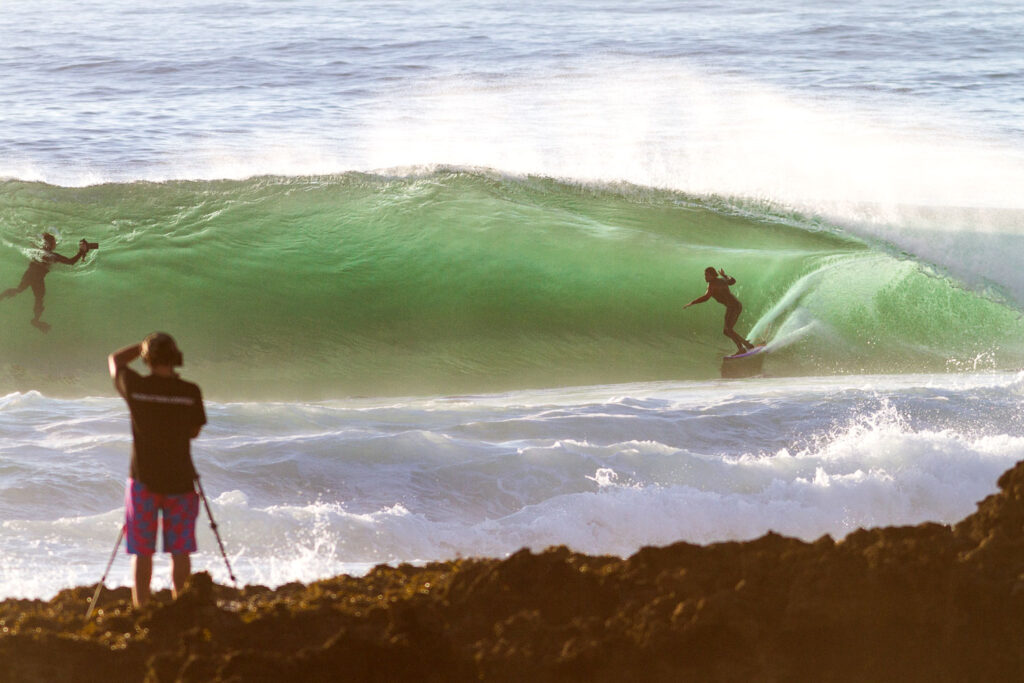
The Ericeira World Surfing Reserve is managed by a local management council, which seeks to maintain the ecosystem services, care for marine life, and encourage the continuous and responsible enjoyment of the local coasts for all users. Photo: Henrique Casinhas.
In 2020, the Ericeira Surf Club obtained the approval of the project EriceiraWSR+10, referring to the tenth anniversary of the reserve. This project was funded by the European Commission (as part of the Erasmus+Sport 2020 program) and by the Municipality of Mafra (which contributed 20% of the funds). Over several months, this project aimed to develop different structural actions for the Ericeira region, in the municipality of Mafra, and for Portugal, including multidisciplinary initiatives such as conferences and trainings, scientific studies and workshops, promoting sustainability through surfing.
This project seeks to understand the impact of surfing in Ericeira, through an impact study of the 10 years of the World Surfing Reserve in Ericeira, which analyzed the effects generated by the declaration of the reserve and by the activities related to surfing. In the document, four dimensions were analyzed: social, economic, environmental, and image and identity. It also sought to raise awareness in the population and to create sporting communities committed to sustainability.
Ericeira is an example of how promoting a World Surfing Reserve can serve as an element of protection of the territories, despite having no legal framework. The recognition of the World Surfing Reserve in Ericeira has been a decisive factor for the implementation of strategies focused on the promotion of sustainability and on the activation of initiatives to reduce pollution, as well as on preventing or assessing construction initiatives that directly impact wave quality.
2/
SURF BREAKS AND PROTECTED AREAS
2.1. NATIONAL NETWORK OF PROTECTED AREAS
At the national level, Portuguese protected areas are regulated by the Decree Law 142 of 2008 of the Ministry of Environment, Territorial Planning and Regional Development (DL142).
The classification of a protected area is intended to grant a legal protection status appropriate to the maintenance of biodiversity and ecosystem services and geological heritage, as well as the enhancement of the landscape. In the areas covered by the National Network of Protected Areas, the aim is also to protect Portugal's geological heritage, understood as the set of "geosites" located in a given territory.
The protected areas as a whole make up the Portuguese National Network of Protected Areas (RNAP) and can be categorized as national parks, nature parks, nature reserves, protected landscapes, natural monuments, and private protected areas. These areas, except for national parks, may be classified as national, regional, or local, depending on the interests they seek to safeguard.
Protected areas are under the responsibility of the Institute for the Conservation of Nature and Forests (ICNF), under the Ministry of Environment and Climate Action.
2.2. MARINE PROTECTED AREAS
Marine protected areas (MPAs) are protected areas delimited exclusively in maritime waters under national jurisdiction, as well as marine reserves and marine parks. MPAs are fully delimited marine spaces in oceanic waters, with the purpose of reinforcing the conservation of marine nature and biodiversity, and contributing to the sustainable use of the natural resources associated with the sea.
The regulations governing MPAs come primarily from the principles incorporated in the National Strategy for the Sea 2013-2020 (ENM) and from the international commitments undertaken by Portugal, both within the European Union and under the Convention for the Protection of the Marine Environment (OSPAR). The Resolution of the Council of Ministers 143, of 2019, approved the strategic guidelines and recommendations for the implementation of a National Network of Marine Protected Areas.
The Directorate General of Natural Resources, Security and Maritime Services (DGRM) is responsible for proposing the creation of MPAs in collaboration with the national authority for the conservation of nature and biodiversity. The DGRM is also responsible for ensuring the management of MPAs of national interest and for collaborating in the management of those at regional or local level, in particular through the elaboration, evaluation and revision of specific plans.
In the Europe 2020 Strategy, the long-term strategy Blue Growth was incorporated. It seeks to support the sustainability of the marine sector, recognizing the importance of the seas and oceans as drivers of the European economy due to their great potential for innovation and growth. In Portugal, the ENM expressly recognizes the paradigm proposed by Blue Growth, which identifies and addresses economic, environmental and social challenges by developing synergies between sectoral policies. For such purposes, the interactions between different activities, their impact on the marine environment, marine habitats and biodiversity should be analyzed.
According to the ENM, Blue Growth identifies five strategic intervention areas: blue energy, aquaculture, maritime, coastal and cruise tourism, marine mineral resources, and blue biotechnology. For the above, the ENM distinguishes between activities associated with living resources, non-living resources, and other uses and activities. In this last category, an explicit mention to surfing is made, where it is noted that coastal tourism is the activity with the greatest impact: "The internationalization of sporting activities, of which surfing is a good example, with the classification of Peniche as 'Capital of the Wave,' actively contributes to the reinforcement of this (maritime) identity, especially among the younger generations."
2.3. NATURA 2000 NETWORK
DL142 expressly recognizes, in its article 25, the Natura 2000 Network, which is a network of protected areas established at European Union (EU) level and one of the largest biodiversity conservation networks in the world. This network covers all member countries of the European Union, Portugal among them. Each member of the EU is responsible for identifying and designating the areas within its territory that are part of the Natura 2000 Network. This is made up of two types of protected areas: Special Areas of Conservation (SACs) and Special Protection Areas for Birds (SPAs).
SACs and SPAs can include both terrestrial and marine habitats, according to the importance of the biodiversity and ecosystems present in each country. The designation of SACs or SPAs implies legal obligations for the Member States, such as the adoption of conservation measures, the protection of natural habitats and species of community interest, the evaluation of the impacts of human activities in these areas, and the adoption of appropriate management measures.
2.4. AZORES PROTECTED AREAS NETWORK
The Azores Protected Areas network is divided into three categories: island natural parks, the Azores Marine Park, and protected areas of local importance. There are 123 protected areas in the island natural parks (which include the classified areas of the Natura 2000 Network and the areas classified under international conventions).
The Terceira Natural Park, in the Azores, created under Regional Legislative Decree 11/2011/A, was born with the intention of better managing the protected areas of the island of Terceira, and was instituted by the Regional Secretariat for the Environment and the Sea of the Autonomous Regional Government of the Azores.
Within this park, there are two cases where conservation areas include surf break zones.
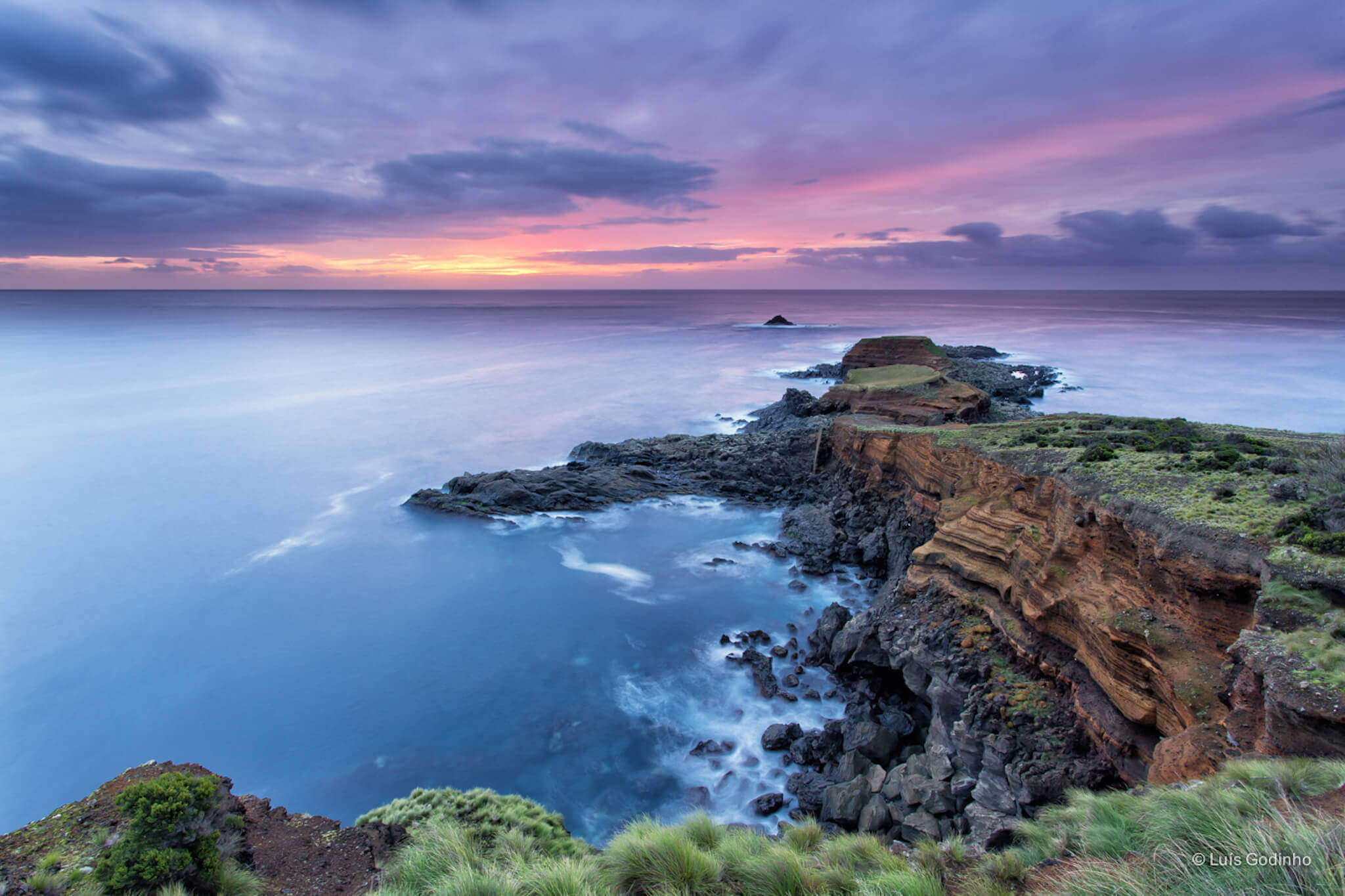
Within the Terceira Natural Park, there is Ponta das Contendas, a protected area for habitat or species management of about 91 hectares. This area borders a marine protected area for the management of Costa das Contendas resources; it is a Special Protection Area for Birds (SPA) within the Natura 2000 Network and is part of a BirdLife International’s Important Bird and Biodiversity Area (IBA). Photo: Luis Godinho.
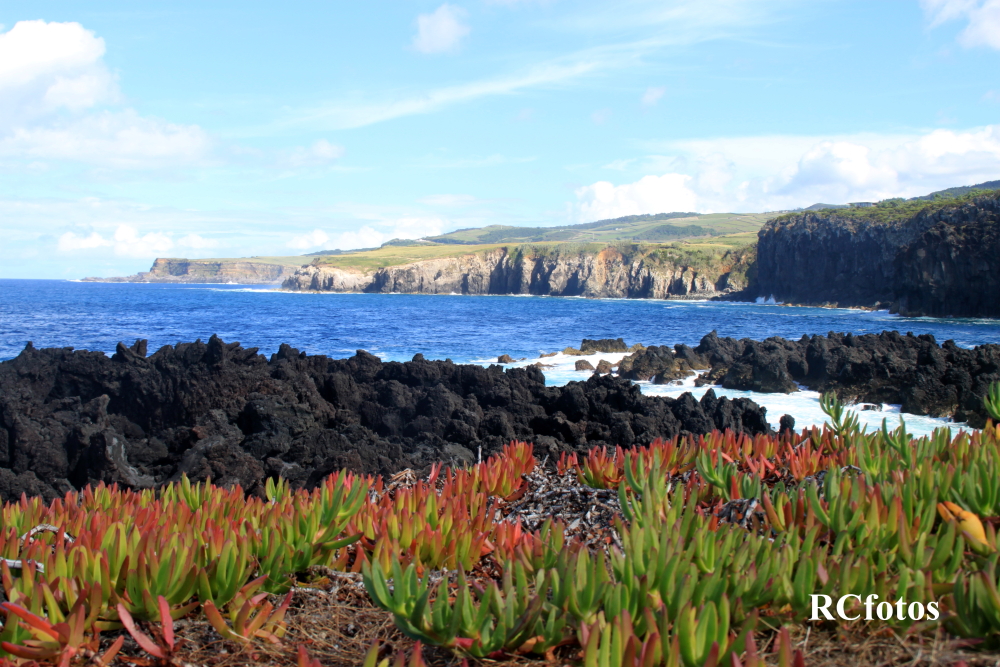
Within the Terceira Natural Park, there is Costa das Quatro Ribeiras, a protected area for habitat or species management of about 57 hectares. This area includes a geosite of the Azores Geopark (UNESCO Global Geopark), which borders a marine protected area for resource management. It is a Special Area of Conservation (SAC) of the Natura 2000 Network and is part of the BirdLife International’s Important Bird Area (IBA). Photo: RC Fotos.
On the other hand, it is worth mentioning the Blue Azores Program. This program is the result of an international partnership between the Regional Government of the Azores, the Waitt Institute and the Blue Ocean Foundation, and a close collaboration with the scientific teams of the University of the Azores, all united for the purpose of a healthy and thriving Azorean oceanic society. The Blue Azores Program, focused on the conservation and sustainable use of the Azorean sea, contributes to protect, promote, and value the marine resources of the archipelago, and also to create new opportunities for sustainable economic development in the Azores, within the framework of the UN 2030 Agenda for Sustainable Development and the Convention on Biological Diversity.
Additionally, with support from the Terceira Surfing Association, in June 2020, the organization Save Azores Waves was created as a collaborative platform to safeguard the Azorean waves, protect its ecosystems, and to represent in a unified way the voice of the surfing communities in the Azores and other local interests to negotiate with government authorities. In 2021, an agreement was established with Save The Waves Coalition, which has been fundamental for the development of workshops on oceanic literacy, aimed at the entire population, as well as economic and scientific studies on the contribution of surfing to conservation and socioeconomic development of the communities that depend on the sea. In addition, the most emblematic surf breaks in the Azores have been identified and classified.
Currently, in the context of the Blue Azores Program, the Autonomous Region of the Azores is at a crucial moment for the long-term protection of its coastal ecosystems. The regional government, along with its main partners, is studying a new strategy and a new marine spatial management process to ensure the sustainable and equitable use of the high sea marine habitats and coastal ecosystems. Since 2021, different organizations such as Save Azores Waves, Save The Waves Coalition, foundations, fishing groups and other local communities have made efforts for the regional government to issue new legislation to include the Azores surf breaks as part of a network of marine protected areas.
3/
SURF BREAKS AND PUBLIC WORKS
In the Autonomous Region of the Azores, infrastructure works, real estate developments, or extractive activities have been avoided or modified to ensure the protection of surf breaks; there are cases, however, where these projects were not avoided, so the waves were impacted.
The following are cases where the surfing community had to defend their interests and protect their local waves.
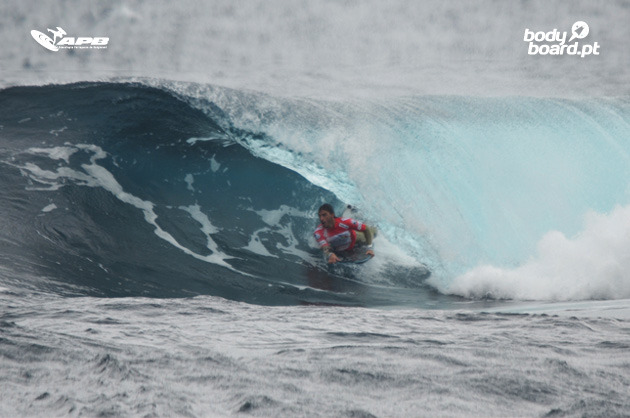
In Santa Catarina, in 2011, the community achieved successful results in achieving the elimination of wastewater from the slaughterhouse that drained directly into the surfing site (one of the best in Portugal), as well as stopping the construction of a breakwater that took place nearby. The success was due, in part, to the International Bodyboard Association, which held a championship at the site, and showed the government the local importance of the surf break. Photo: Estrella.
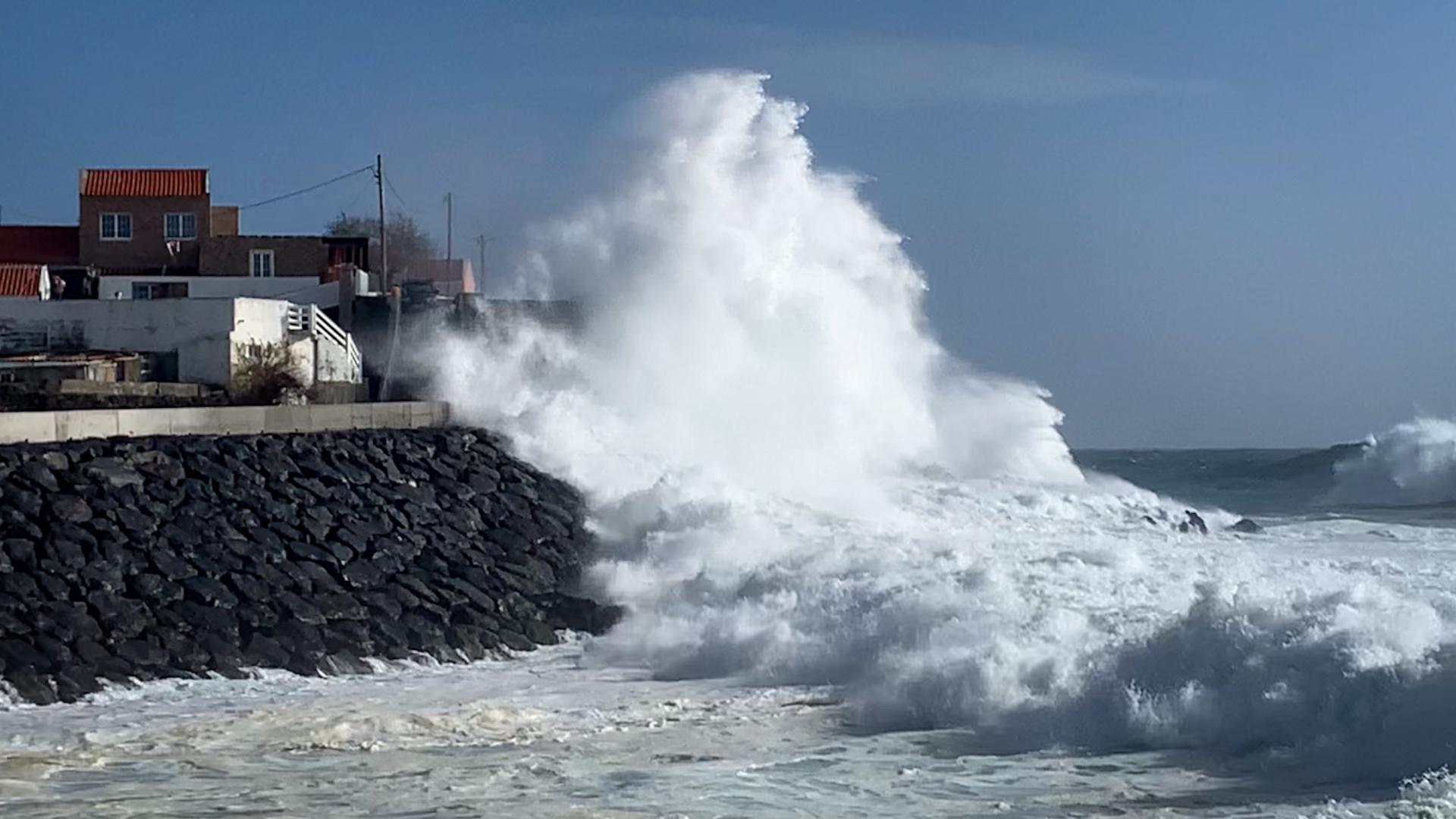
In 2009, in Terreiro de São Mateus, the best right-hand side of the Azores, community efforts were not enough to stop the breakwater project carried by out the Municipality of Angra do Heroísmo and the Secretary of the Environment. As a result of the construction, today it is impossible to surf at the site. Photo: Filipe Barata.
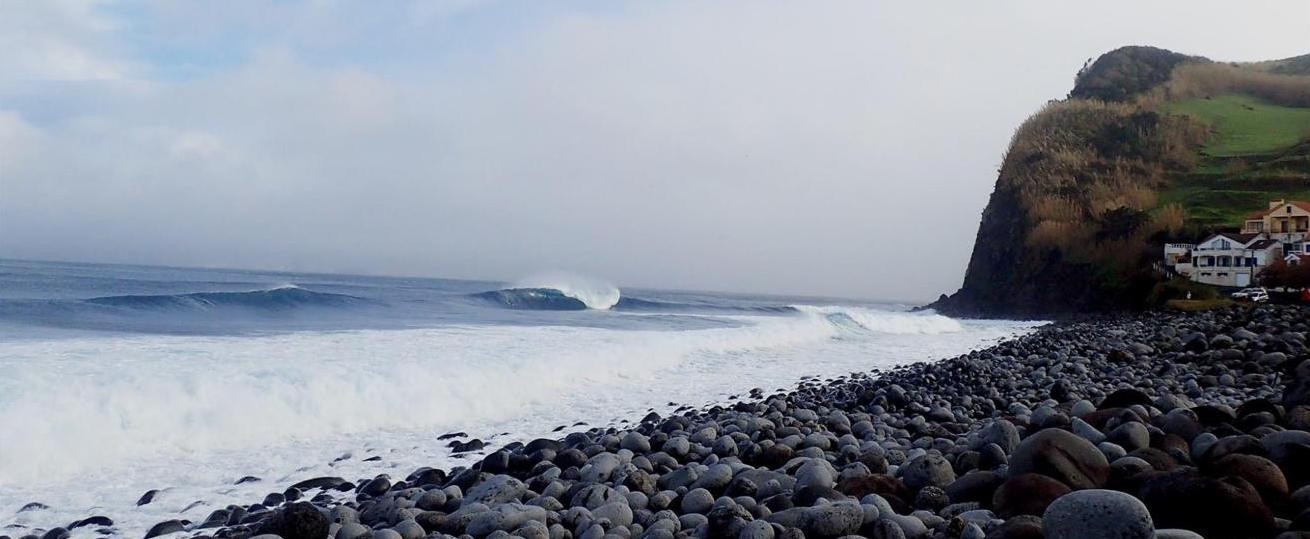
The local wave located on Faial Island, Almoxarife Beach, is under threat from a coastal construction project . Meetings have been held with authorities that have had positive results to stop the execution of the project and to study technical alternatives that generate lesser impacts on the landscape, sea dynamics, sand movement and wave quality. Negotiations are ongoing. Photo: Pedro Tradewind Salgueiro.
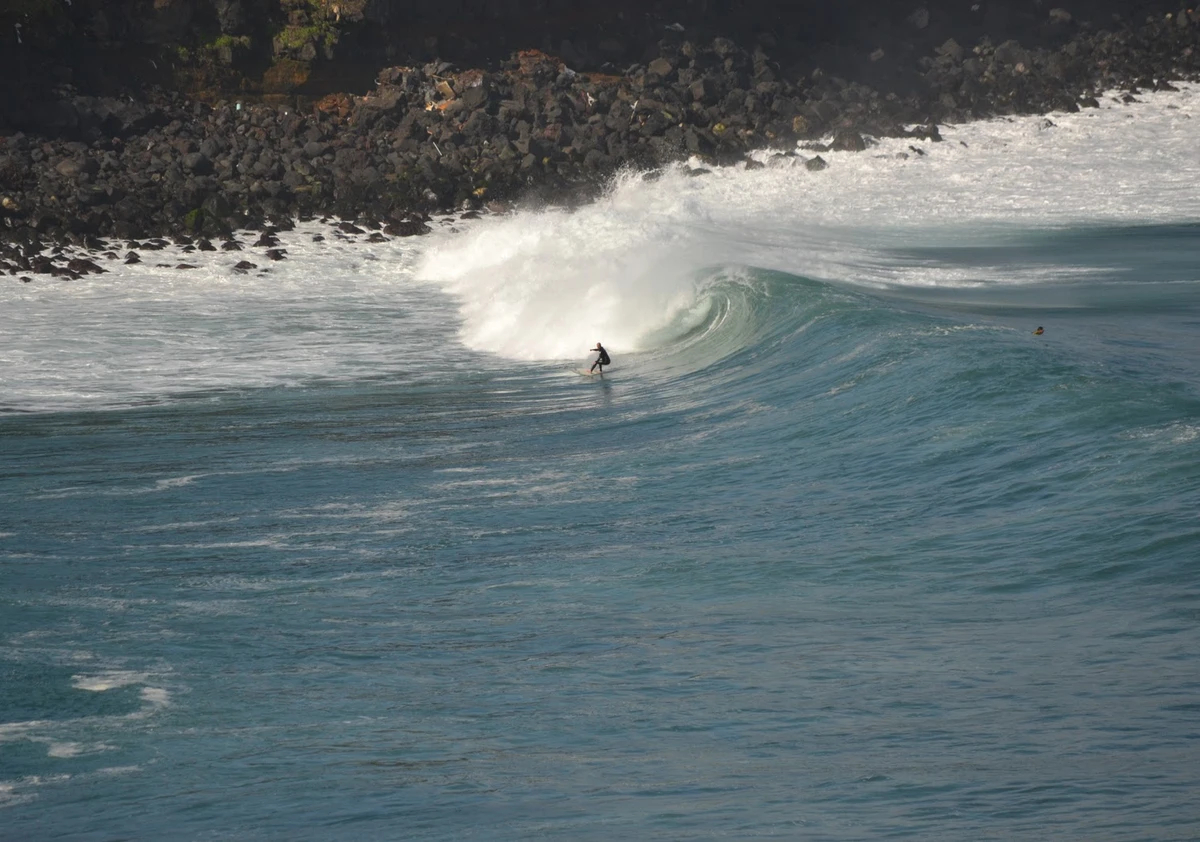
Rabo de Peixe was one of the best waves on the island of São Miguel, in the Azores. Unfortunately, and despite the efforts made by the Portuguese organizations Salvem o Surf (S.O.S.) and Surfrider Foundation Azores, as well as other local groups, the interests of the fishing industry prevailed over the value of surfing. In 2000, the wave was practically destroyed after the construction of a breakwater that was part of a fishing port. Photo: PTP News.
4/
MARINE-COASTAL POLLUTION
In Portugal there are no specific regulations to protect surf breaks from pollution. However, there are general regulations for the protection of the ocean against coastal-marine pollution. In this regard, some international instruments that seek to prevent, reduce and control pollution of the marine environment stand out: the Convention for the Protection of the Marine Environment of the North-East Atlantic (OSPAR), the United Nations Convention on the Law of the Sea (UNCLOS), and the Convention for the Prevention of Pollution from Ships (MARPOL) of the International Maritime Organization.