CLIMATE CHANGE

CLIMATE CHANGE
Lorem Ipsum es simplemente el texto de relleno de las imprentas y archivos de texto. Lorem Ipsum ha sido el texto de relleno estándar de las industrias desde el año 1500, cuando un impresor (N. del T. persona que se dedica a la imprenta) desconocido usó una galería de textos y los mezcló de tal manera que logró hacer un libro de textos especimen.
1/
CASE STUDY
Anthropogenic climate change is altering sea surface temperatures, as well as many other ocean and land conditions critical to wave formation around the world. Some impacts are already noticeable, although the exact magnitude and nature of the effects of climate change in both surf zones and coastal and marine areas are still emerging. Projections into the future indicate even greater cause for concern.
The climate crisis threatens not only the integrity and existence of surf zones, but also the surrounding coastal and marine ecosystems. In fact, Stanford researchers projected that, by 2100, sea level rise due to global warming could threaten 18% and completely eliminate 16% of the surf spots in the state of Californina. In the process, this sea level rise could also drive the loss of nearle half of the world's sandy beaches, according to a study published in Nature in 2020. In addition to driving further coastal erosion and flooding, climate change may also reduce safe access to the coast in the face of intense storm systems and other extreme weather events, as they make it dangerous to be in or near the water.
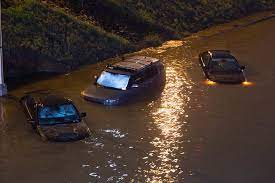
These weather disasters can also damage coastal infrastructure permanently, causing enormous economic and cultural losses, including the destruction of local surf economies. In particular, many coastal communities face the risk of forced displacement due to the effects of climate change. According to Climate Central, up to 420 million people worldwide could become vulnerable to annual coastal flooding by 2100. Therefore, advocacy to protect marine and coastal ecosystems must involve addressing the climate crisis and its profound effects on human and ecological life alogn the coast.
1.1 CALIFORNIA, UNITED STATES
Climate change is having palpable and adverse impacts on the California coast, including through dangeroues wave intensification and sea level rise. California government agencias area taking note of this effects, which include, among others, periodic flooding in certain parts of the coast, as well as increased erosion, saltwater intrusion into coastal aquifers. In addition, based on current global warming trajectories presented by a study, two-thirds of the state's beaches could be threatened by flooding by the end of the century. These effects will have -and are likely havein- implications for the important surf economy in the state.
In response to the climate crisis, California state agencies are acting to increase coastal adaptation measures, as well as managing coastal and marine resources in line with teh current and likely effects of climate change. Several civil society organizations, including Save The Waves and Surfrider Foundation, are also taking action, including calling for stronger climate policy.
By creating a system of coastal and marine protection areas suitable for a farming world, California represents ground zero for both climate change damages to the surf ecosystem and models for future mitigation of these damages.
1.2 HAWAII, UNITED STATES
In recent years, Hawaii has suffered a number of detrimental effects of climate change, including flooding and megafires. The state's climate change website affirms that sea level rise aroun Hilo Bay is increased by mor than six inches since 2023. Also according to the website, more than 66,000 residents are regularly at risk of coastal flooding and more than 70% of the state's beaches may disappear due to coastal erosion. Along with beaches, many famous waves are also endangered due to sea level rise, which occurs even at Waikiki, one of the most celebrated surf spots.
In addition, warming and acidifying onceans critically endanger the health of coral reefs (the state is currently experiencing dangerous levels of coral bleaching), upon which numerous surf spots in hawaii, including the Banzaii Pipeline, depend. As Hawaii struggles with the climate crisis, the government is undertakin several coastal adaptation projects. For example, the Hawaii Climate Change Adaptation and Mitigation Commission, in partnership with the University of Hawaii, community groups and severañ government agencias, is exploring nature-based solutions to protect Punalu'u Beach Park on O'ahu, from dangerous coastal erosion.
2/
HOW CAN YOU TAKE ACTION?
● Call for strengthening national, state (or regional) and local policies for both mitigation and adaptation to climate change, including policies focused on oceaan solutions and coastal adaptation.
● Monitor your country's proggres in contributing to the Paris Agreement, as well as any other international climate commitments (use the Climate Action Tracker to do so).
● Inform yourself and inform your family and friends about the reality of the climate crisis, its impacts on your community and in coastal communities.
● Join organizactions and community groups focused on combating climate change or promoting coastal adaptation.
● Seek out experts and support the advancement of studies on the impacts of climate change on your local community and its coasts.
3/
HOW CAN YOU JOIN THE CAMPAIGN?
Sign this Oceana's petition for the United States to protect the oceans from the effects of climate change.