LEGAL TOOLS FOR SURF BREAK PROTECTION
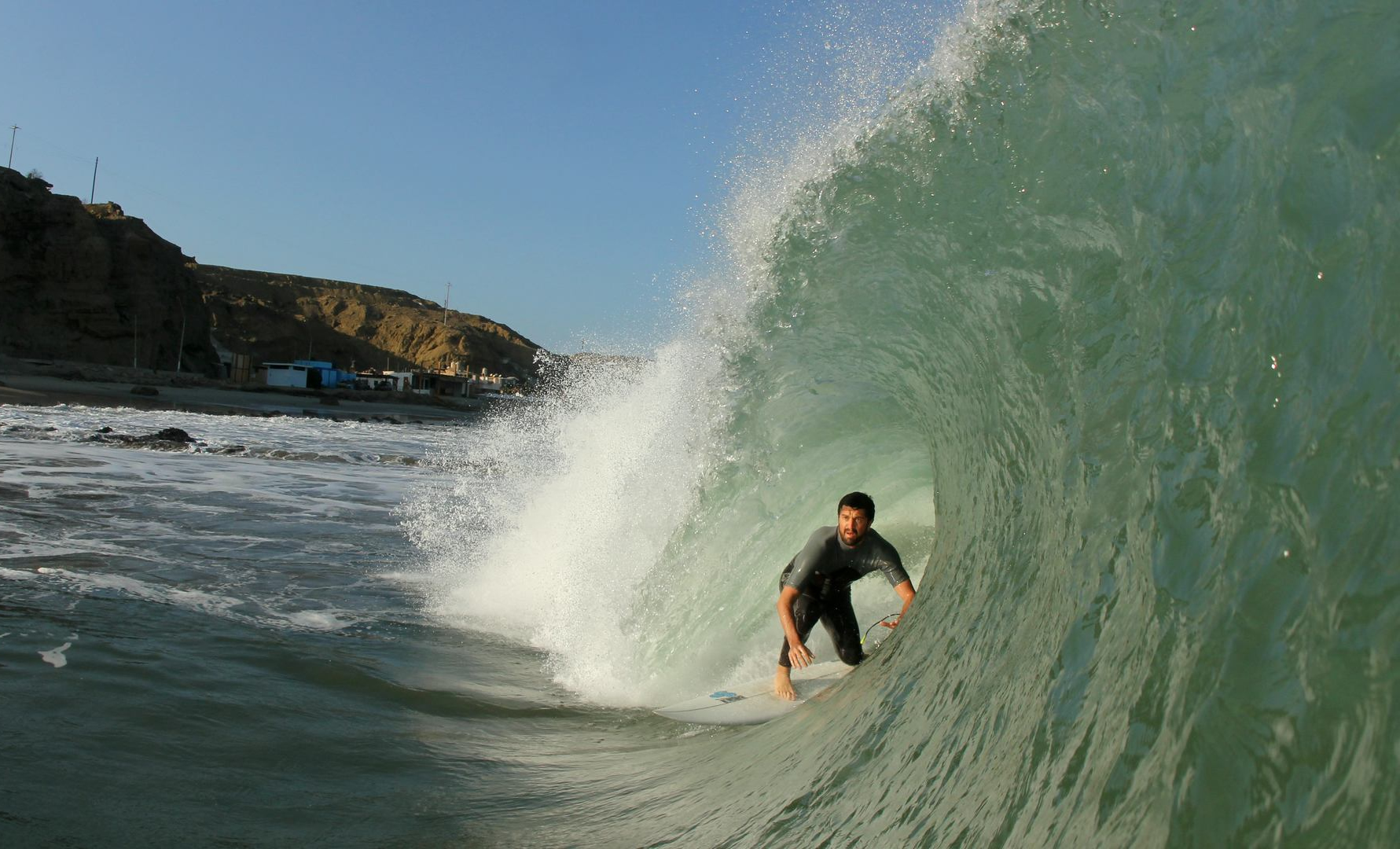

IF YOU SEEK TO LEGALLY PROTECT A WAVE, WHAT ELEMENTS SHOULD THE RULES CONTAIN?
In order to guarantee their effectiveness, regulations seeking to protect surf breaks in the long term should contain certain key elements. This will allow the to be enforceable and not merely theoretical regulations. The following are the key elements that a wave protection standard must consider in order to be truly enforceable.
1.1. 1. FORMAL RECOGNITION OF THE BREAKER
It is importan to expressly include the notion of "waves" or "breakers" in laws, territorialplanning instruments or other tools to make their importance visible. In other words, a surf break must be formally recognized in regulations as an object of protection officially designated by the State. The area encompassing the physical components of the wabe must also be delimited or geographically defined.
Peruvian law defines the breaker as the "zone where the wave forms its curvature and falls, comprising the zone of formation, overturning and breaking of the waves from the beginning of its course to irs end". It also considers a 'zone adjacent to the breaker' as the area extending up to one kilometer on each side of the wabe, which is also subject to protection. In Chile, the bill uses the following definition "Area where wind-genereated waves interact with the seabed, increasing in height until they reach the breaking point, after which they continue to dissipate in their propagation towards the coast".
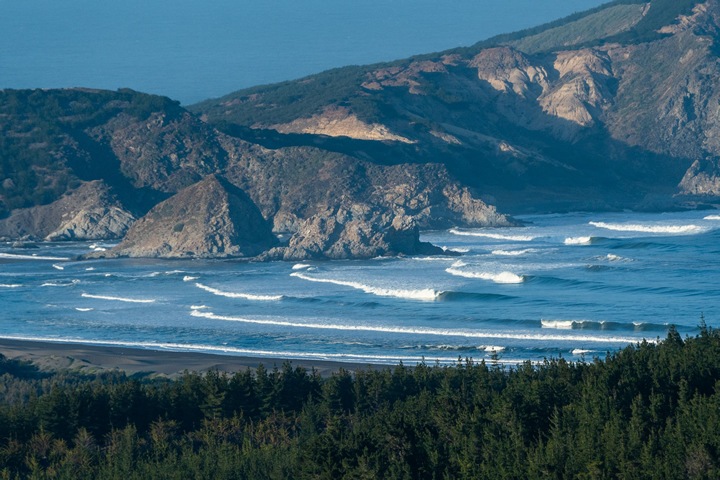
Photo: Topocalma, Chile. Juan Luis de Heerecken.
1.2. 2. SAFEGUARDING THE PHYSICAL COMPONENTS
There are five physical components on which the shape, quality, and functioning of the waves depend. These are the components that we seek to protect, since these should not be altered:
Breaker zone bathymetry
Swell path
Wave path
Sedimentation
Wind corridor
Therefore, projects or activities that propose or involve the following activities should not be permitted:
1.2.1. 2.1. MODIFYING THE BATHYMETRY OF THE BREAKER ZONE
When waves impact the seabed, the conformation and depth of the land covered by seawater is fundamental to define the shape, energy, speed and direction that the breaker will take. In other words, it shows the wave’s capacity or inability to run to the left, right or both sides. The seabed, which may consist of rock, coral or sand, is crucial to the quality of the breaker.
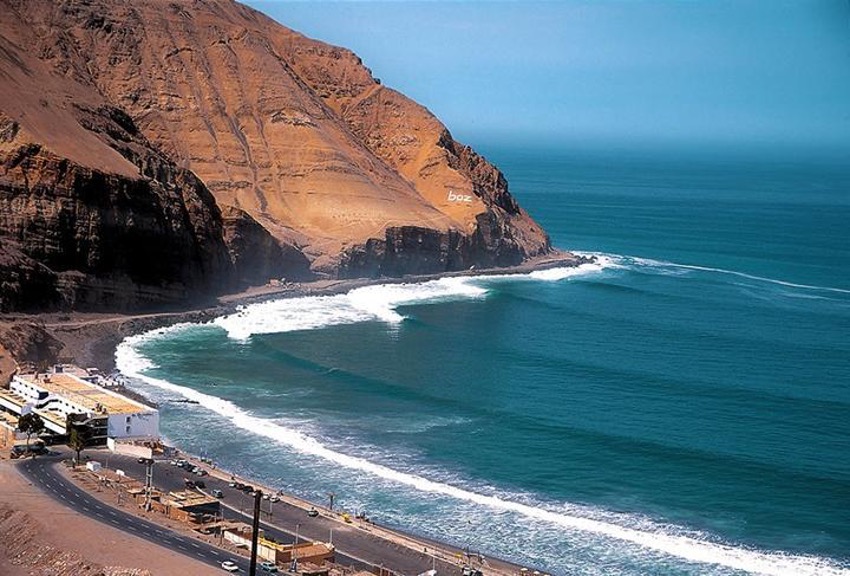
The La Herradura wave in Peru lost its entire sandy bottom when an attempt was made to build a highway connecting two beaches: La Herradura and La Chira. This affected its functioning and that of its surroundings. Photo: Carolina Butrich
In this Video about Nazaré, the importance of the bathymetry for the existence of the world's largest wave is explained
1.2.2. 2.3. BLOCKING THE PATH OF WAVES OVER THE SURFACE
Waves are formed by atmospheric disturbances, such as wind or storms, usually in deep water. This swell travels thousands of kilometers until it impacts the near-shore seabed. Upon reaching a break point, it runs in one or both directions. If the swell passage is blocked, the swell will be prevented from reaching the coast and the wave will not form.
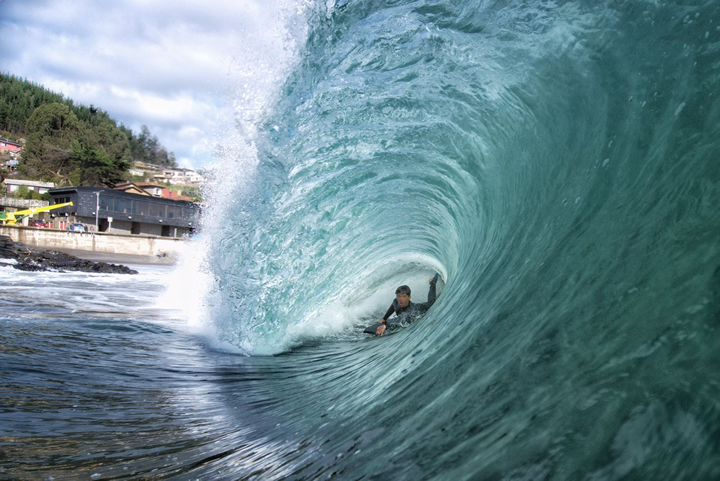
In Chile, at present, a wave is threatened by the likely construction of a breakwater that would prevent the entry of the sea window coming from the south. This would completely destroy the Los Botes breakwater, iconic for the local community. Photo: Pablo Acuña.
1.2.3. 2.3. BLOCKING THE PATH OF WAVES OVER THE SURFACE
Just as the swell is the wave that travels under the sea, once it impacts the seabed, it gives way to a breaker, which is the wave generated on the surface. Respecting the trajectory of the wave is essential, for example, for the practice of sports that require it, since they make the sliding possible.
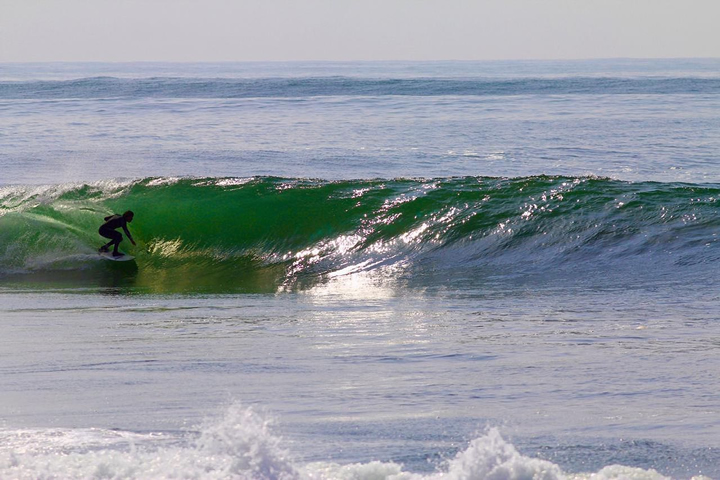
Punta Ceviche in Chancay, Peru, is a wave about to disappear due to the development of port infrastructure. Photo: Enrique del Solar.
1.2.4. 2.4. IMPACT ON SEDIMENTATION PROCESSES
The sandy seabed is often subject to sedimentation processes, which usually depend on the mouths of rivers near the coast and on tidal waves that generate a lot of underwater movement. The alteration of the sandbanks destroys the shape and functionin of the breakers that break over them.
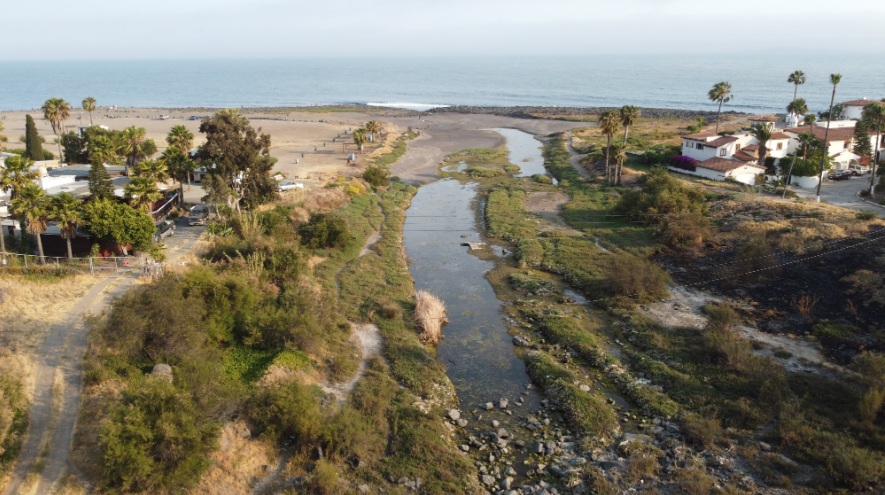
The first national park in Baja California will protect the watershed that supplies sediment to form the iconic San Miguel wave. Photo: Jesús Zalazar.
1.2.5. 2.5. DISPLACE OR BLOCK THE WIND CORRIDOR
For certain sports, such as windsurfing or kitesurfing, which require sails, wind is fundamental. It is essential to ensure that the vuildings do not block the wind currents that are directed towards the area where these sports are practiced.
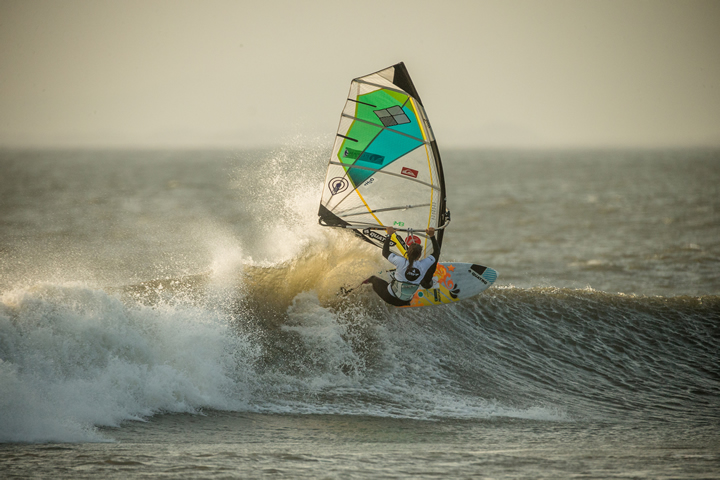
Pacasmayo, in the Peruvian region of La Libertad, is one of the waves protected by the Law of Breakers. However, this exceptional playground for windsurfers also requires the protection of the wind corridor, which could be affected by new construction on the coastal edge. The necessary municipal restrictions are still pending. Photo: Si Crowther.
1.3. 3. SAFEGUARDING CONDITIONS THAT ENABLE RECREATIONAL USE
In addition to the physical components, there are three conditions that must be met in order to enjoy the waves:
Access to the breaker
Good water quality
Absence of obstacles that could put athletes at risk
These are detailed below.
1.3.1. 3.1. ACCESS TO THE BREAK
The public right to access the breakers must be legally recognized, and areas where the public can easily acess the shore and waves must be protected.
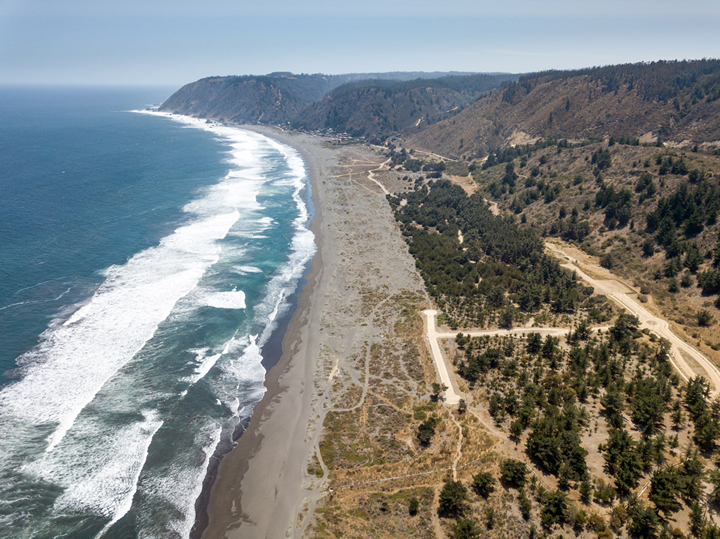
To access Puertecillo, one of the highest quality waves in Chile, one must enter through a private condominium. The real estate project has not only threatened access to the break, but has also destroyed an important part of the local marine-coastal biodiversity, affecting the sand dunes, generating sedimentation on which the break depends. Photo: Surf Beats Radio.
1.3.2. 3.2. GOOD WATER QUALITY
Although contamination will not affect the functioning of the break, poor water quality is highly harmful to the health of surfers and, in general, to biodiversity. It is essential to develop and enforce regulations that control or prohibit direct and indirect sources of pollution.

In Mehuín, in southern Chile, is La Barra, a famous wave whose history, however, has not been free of threats. Since 1996, the powerful company Celulosa Arauco has been negotiating the installation of a pipeline that would allow it to dump polluting waste from its paper mill on Mehuín's beach, which poses a threat to artisanal fishermen, local Mapuche communities and surfers. To date, the company has been dumping its waste in the river Las Cruces, near the breakwater. This has caused, among other damages, the death of thousands of black-necked swans. The local residents hope to promote sustainable and responsible tourism, which will make the conflict visible and achieve the protection of the area. Photo: Juan Carlos Elgueta.
1.3.3. 3.3. ABSENCE OF OBSTACLES THAT PUT ATHLETES AT RISK
Often, there is debris or waste, both in the sand and in the sea, which can put athletes at risk. This includes various foreign elements discarded by humans in the aquatic environment, such as pipes, fishing nets, shipping routes, among others.
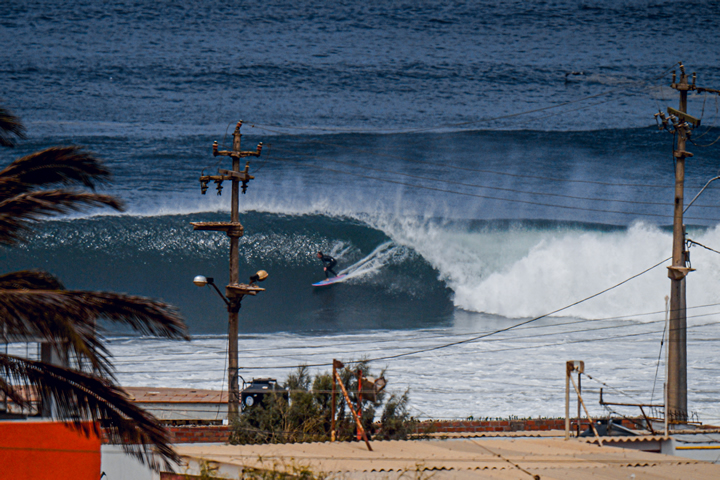
In the Negritos breaker, in Peru, the oil industry has left abandoned pipes and debris precisely where the wave breaks. Photo: Carolina Butrich.
1.4. 4. DEFINED INSTITUTIONAL FRAMEWORK
For effective protection of the breakers, the authorities responsible for this task must be clearly identified, as well as their responsibilities in this regard. Likewise, sanctions must be establishe and imposed on those responsible for causing harmful or damaging effects.
To promote compliance, civil society organizations must be strengthened, since they play a key role in holding decision-makers accountable.
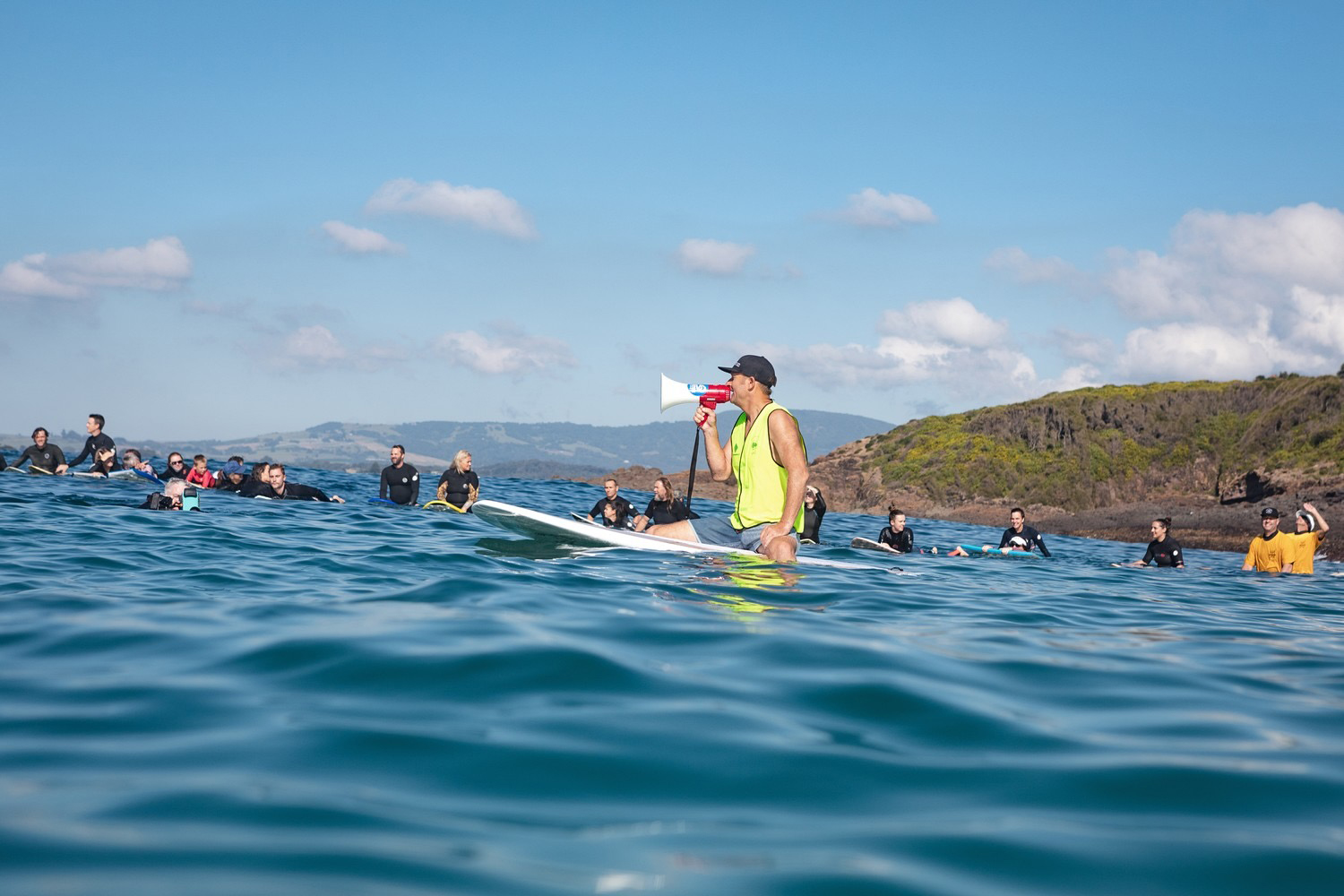
Despite its status as a national surfing reserve, the Australian town of Killalea, known as The Farm, was threatened by a development project. Thanks to local community campaigns and international attention, the land will be transferred to the National Parks and Wildlife Service and given regional park status, ensuring that this open space will be protected in perpetuity.
1.5. WAVES AND BIODIVERSITY
Waves are a part of a larger landscape in which interactions with biodiversity, local populations, and other cultural aspects are generated. Therefore, in protecting breakers, we must also seek to conserve nature, generate development opportunities, and strengthen heritage.
Save The Waves Coalition and Conservation International found that many wave zones coincide with areas of important marine flora and fauna, so there is a convergence between wave protection and priority sites for biodiversity conservation.
After obtaining official recognition from the authorities for the protection of the breaker, it is advisable to consider the implementation of a mangement plan for the area where the wave is located, in order to protect the surrounding landscape and associated historical values.
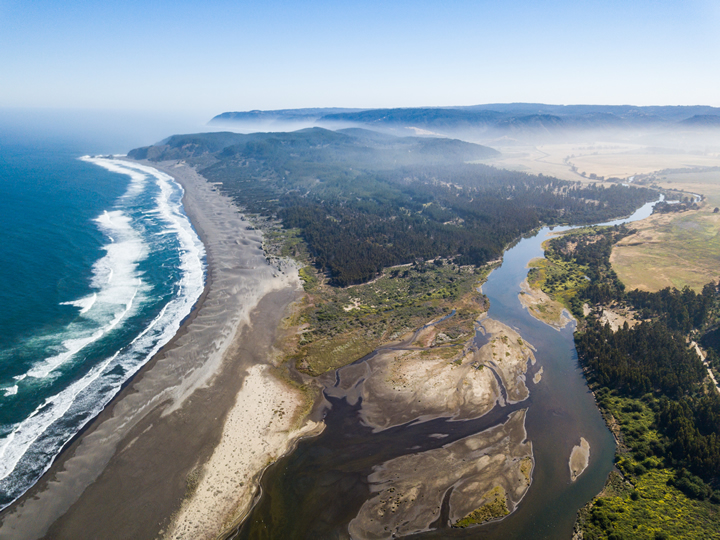
Decree 10/2021, issued by Chile's Ministry of the Environment (which created the Piedra del Viento Nature Sanctuary, located in Topocalma), expressly states that the sanctuary's protected areas include the breakers suitable for sports, marine-coastal biodiversity, the coastal edge, and traditional artisanal fishing and seaweed gathering practices. Photo: Rodrigo Farías.
WHAT LEGAL TOOLS OR REGULATORY MECHANISMS EXIST?
There are different types of regulations or mechanisms that can be used for wave protection, from specific laws to broader plans that correspond to larger protected areas. Here are the most common ones.
2.1. 1. SPECIFIC LAWS
There are regulations created specifically for the protection of waves. Additionally, some waves have been recognized in offical state declarations as areas of national importance. In any case, it is essential to ensure that the regulations are binding and not only symbolic, but also effective-that is applicable in practice.
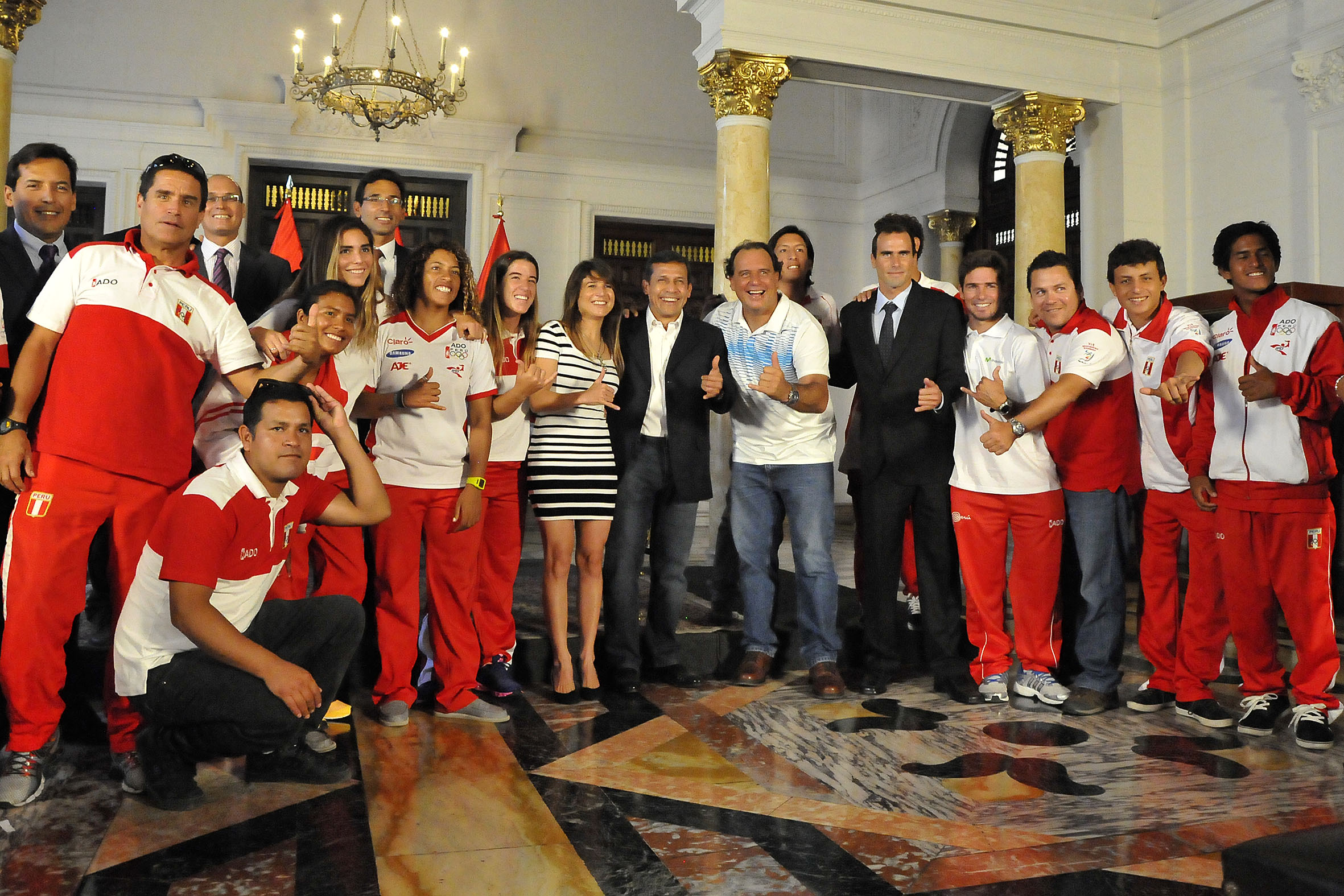
A good example of this is Peru. In 2001, the country passed the well-known Law 27280, Law for the Preservation of Appropriate Breaks for the Practice of Sports. To date, 33 breakers have been protected along the entire Peruvian coast. Chile is following a similar process, with legislation expected to be enacted.
2.2. 2. MARITIME SPATIAL PLANNING
Maritime spatial planning is a process for the management of coastal areas. Its objectibe is to define territories and establish their multiple uses.
Waves can be included in these planning instruments, as well as in coastal mangement plans.
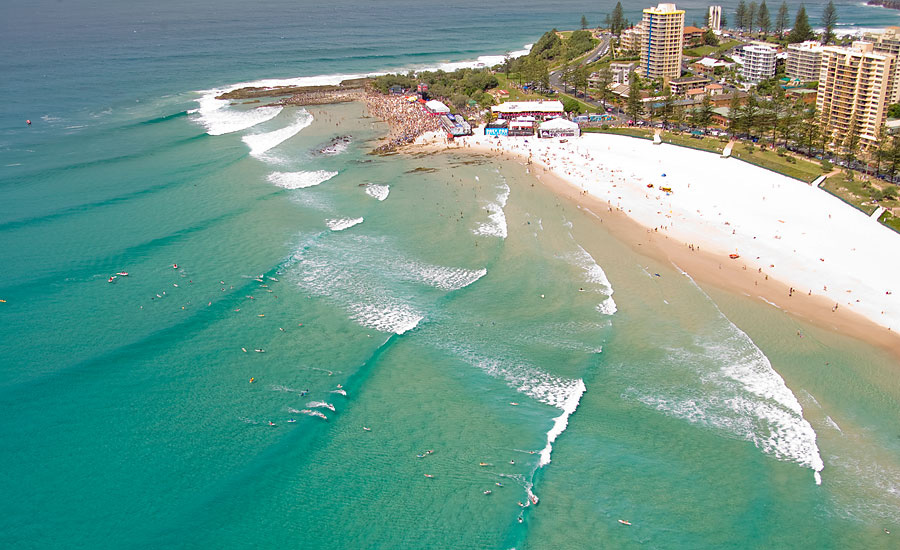
The city of Gold Coast, in Queensland, Australia, approved a surf management plan, which serves as a zoning and management instrument for the coastline and its surrounding waters. Photo: Pepe Cabezas.
2.3. 3. PROTECTED AREAS
Protected areas are more or less extensive zones seeking to preserva areas of biodiversity of special importance. Surf waves are often found within these areas.
By including surf breaks within larger conservation areas, protected area systems offer an alternative for the legal protection of breakers. The Internation Union for Conservation of Nature (IUCN) has defined certain categories of protection, some of which are compatible with the protection of breakers (national parks, natural monuments and others),
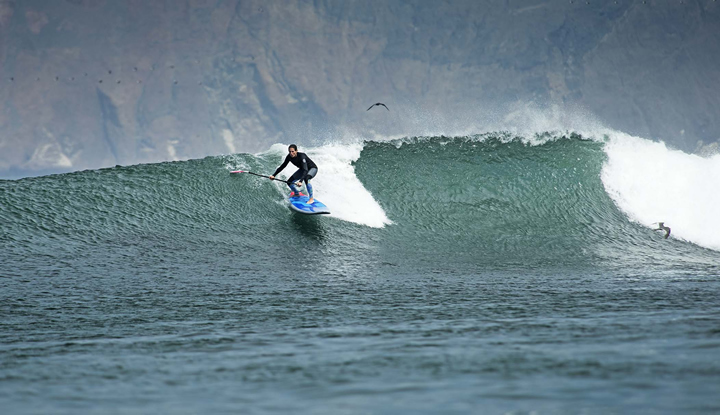
In Peru, the 217,594-hectare Paracas National Reserve includes a surf break on the island of San Gallán. Historically, the wave was located within a strict protection zone, so surfing was officially prohibited. However, around 2015, dialogues began between surfers and the reserve's management committee to legalize and regulate surfing within the reserve. In 2016, the reserve's new management plan changed the zoning rules around the break to allow for sustainable use. Photo: Walter H. Wust.
2.4. 4. HISTORIC PRESERVATION PROGRAMS
Surf breaks are often located within historic or cultural heritage areas. These areas have a particular significance for a nation or community.
Such areas have been recognized where surf breaks are intimately linked intertwined with local culture, which gives them additional value.
2.5. COMPLEMENTARY MEASURES
There are several international recognition systems that, although they do not guarantee legal protection, do offer symbolic recognition, make these spaces visible, and generate pressure for proactive State action in their preservation and forma legal protection.
In these cases, the recognition does not come from a public authority, but from a civil society organization that gives a symbolic title to the waves, so that they can ve considered protected, at least symbolically.
For example the Save The Waves organization, through the concept of "World Surfing Reserves", has recognized world-class waves.
For its part, UNESCO, through the recognition of Natural Heritage Sites, has protected many quality breakers.
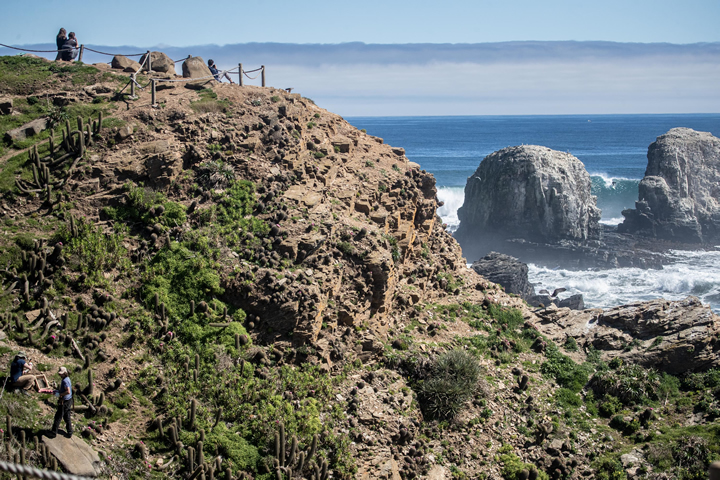
In 2013, a series of real estate projects had been approved in Punta de Lobos, Chile. Local residents, organizations such as the Punta de Lobos Foundation, Save The Waves, and emblematic representatives of Chilean surfing organized themselves into the Committee for the Defense of Punta de Lobos. In doing so, they changed the municipal regulatory plan for the development of the area, purchased it and destinated it in perpetuity for free public access. In 2017, Save The Waves consecrated it as a World Surfing Reserve. Photo: Rodrigo Farías.
AVANCES POR PAÍS
3.1. AOTEAROA NEW ZEALAND
Aotearoa New Zealand was the first country in the world to adopt breaker protection directly in regulatory instruments. New Zealand0s 2010 Coastal Policy Statement provided breakers with a legal framework at the national level. With this declaration, it granted express protection to 17 nationally significant surf breaks. This paved the way for authorities to grant protection to regionally and locally important breakers. For example, the 2009 Taranaki Regional Policy Statement recognizes 81 regionally significant breakers.
As a result, surf breaks have achieved significant legal status in the country. In addition, there are numerous cases where various proposed activities in surf break areas have been recognized and incorporated into the permiting process.
3.2. AUSTRALIA
In Australia there are well-kown National Surfing Reserves. With the emblematic case of Bells Beach, and the subsequent mainly symbolic recognitions, the National Surfing Reserves becamen, at least in the state of New South Wales, legally and officially recognized by the State. This is because they were designated by the Department of Lands as Crown Reserves under the Crown Lands Act 1989.
Furthermore, the values of surfing have been recognized in other official documents, such as the City of Gold COast's Surf Management Plan, which, while not officially recognized, gives importance to the place and the decisions made about it.
3.3. BRAZIL
Brazil is one of the world's surfing powers. However, it does not have specific regulations to protect surf breaks and its marine and coastal spatial planning processes are still developing.
Currently, waves are being protected indirectly only within the natural protected areas of the National System of Conservation Units.
One of the main achievements has been the federal management plan for the Baleia Franca Environmental Protection Area. This recognizes the existence of the Guarda do Embaú World Surfing Reserve, and incorporates actions aimend at preserving the breakers and the adjacent evironment.
3.4. CHILE
Inpired by the Peruvian law, Chile is promoting a Bill for the Protection of Breaks Suitable for Sporting Activities.
Likewise, the efforts of the Chilean community for the protection of surf breaks have become visible in emblematic cases. First, during the creation of the Piedra del Viento and Topocalma Coastal Marine Sanctuary, the breakers suitable for sports practice were included as objects of conservation of the marine protected area. This is the first time that breakers have been legally recognized as objects of protection.
Secod, the efforts of the Pichilemu community have resulted in the creation of the Punta de Lobos Park, adjacetn to the famous world-class breakers. This guarantees its protection, as well as free and open access in perpetuity, through its own conservation model. In addition, the regulatory plan of the area was modified in order to protect the area, which restricts the permitted land uses.
3.5. COSTA RICA
Although there is no specific legislation for the protection of waves, Costa Rica has been an example at the international level in promoting surfing in tourism. In 2019, it enacted a law declaring the practice and development of surfing to be of public interest, whicha was considered an activity of tourist, economic and sporting importance. Likewise, Costa Rica created the National Surfing Day.
The country has legal tools and conservation madilities that can be used for the protection of waves in general. In Costa Rica, public access to beaches is guaranteed by law, infrastructure projects must have environmental impact assessments, and the system of protected areas includes management plans that can be used fro wave protection adn, in some cases, even encourange surfing
3.6. HAWAI
In Hawaii, in general, the regulations do not expressly mention surf breaks. However, work has been done to identify national surf reserves and promote collaboration between different government agencies to protect them. Despite this, such protection does not yet have the status of law, and in practice has had little application.
Through current legislation, indirect mechanisms have been used to protect waves. This is the case of the Hawaii Coastal Zone Management Plan. By considering recreational activities as objects of protection, this could include surfing sites, including breakers, as protected areas. Also, certain environmental assessments have required mitigation of adverse impacts of some development projects in surf breaks, as ocurred in Kaapanali, Kahana and Kekaha.
3.7. INGLATERRA
In England there are no specific regulations for the protection of breakers. However, it is worth highlighting the importance of active advocacy for their conservation by various local community organizations, through a variety of actions.
Thus, in some cases, within the context of environmental impact assessment, wave modeling has been requested in the face of threats from infrastructure projects. In others, campaings have been carried out against marine-coastal pollution or regulations that prevent access to the breakers.
3.8. MÉXICO
Although Mexico does not have specific regulations for the protection of surf breaks, the protection of its marine-coastal zone is regulated in other national regulations, which also cover aspects such as management plans, environmental impact assessments and public access to the coastal zone.
It's worth noting that some sourf breaks are protected because they area within state-recognized protected areas, suchas as the Playa y Arroyo San Miguel State Park (Baja California) and the Pacific Islands Biosphere Reserve of the Baja Calfornia Peninsula. In the latter, the community has promoted activities si that its management plan (pending to date) considers breaker zones within the conservation criteria.
3.9. PERÚ
Peru is an example at the international level, as it has a specific law for the protection of surf breaks, which was enacted by Congress in 2000 as a result of the efforts of the local community, and regulated in 2013.
Within the framework of the Breakers Law, Peru has 48 protected waves that are officially registered in the National Register of Breakers, administered by the Peruvian Navy. These areas prohibit the granting of rights to use aquatic areas and activites that may affect the surf break. However, the law does not regulate or restrict what can be done on land. Although there are laws that guarantee free access to beaches, in several cases such access has been restricted.
Although progress has been made in the development of integrated management plans for marine-coastal zones, these plans do not establish binding zoning, and land use planning at the level of coastal municipalities is still incipient.
At least four emblematic surf breaks are located within protected natural areas. For instance, at the Paracas National Reserve, where the San Gallán wave is located, the reserve's master plan includes a reference to the possibility of low-impact tourism activities such as surfing of San Gallán Island.
3.10. PORTUGAL
Although in Portugal there are no direct legal regulations for the protection of breaker, the country's high-quality waves have found a certain level of protection.
Thus, in the Ericeira World Sirfing Reserve, the first in Europe, efforts have been made to develop a surfing community based on sustainable practices.
Other surf breaks achieved protection by being within larger conservation areas, such as the Terceira Natural Park in the Azores, where Ponta das Contendas and Costa das Quatro Ribeiras are protected areas for the management of habitats or species.
Also in the Azores, the local community has made significant efforts to protect its waves from construction in the coastal zone. To this end, it has sought to include the Azorean surf breaks within marine protected areas, in a proposal for new legislation proposing the Network of Protected Areas for Surfing, which is expected to be enacted by the regional government.
3.11. URUGUAY
Like Many other countries, Uruguay is not free form threats to its surf breaks, including poor waste disposal, fishing nets in wave zones, oil or fuel spills at sea, port infrastructure or other engineering works, and dredging works at the mouths of stream and rivers that alter the natural characteristics of the beaches and seabed.
Although the protection of breakers is not expressly considered in its legislation, general environmental regulations can be applied in a supplementary manner, such as the declaration of natural protected areas (those containing waves), or marine spatial planning (that considers surf breaks). However, neither the former nor the latter have expressly considerede waves.
There is currently a proposal to create a Uruguayan Surf Reserves Program, which seeks to register the most iconic waves in order to declare them protected areas through marine-coastal management instruments: in this case, concerned communities have a dominant role in its implementation. In 2021, the Ministry of Environment expressly and formally declared its support for the Program.
INTERNATIONAL COMPARATIVE LEGAL ANALYSIS
In order to protect breakers in the most comprehensive and solid way, it is necessary for surf breaks to be recognized as legal entities with their own legal rights and protections. At the moment, Peru is the only country that has a sepecific law to protect breakers, which makes the legal objects because they are considered property of the State. However, several countries inspired by this invention are seeking to replicate and innovate the Peruvian regulation expressed in Law 27280, "Law for the preservation of breakers suitable for sports practice", which was passed in 2000 and regulated in 2013. Sepecifically, there are similar efforts in Chile, Panama, and Ecuador.
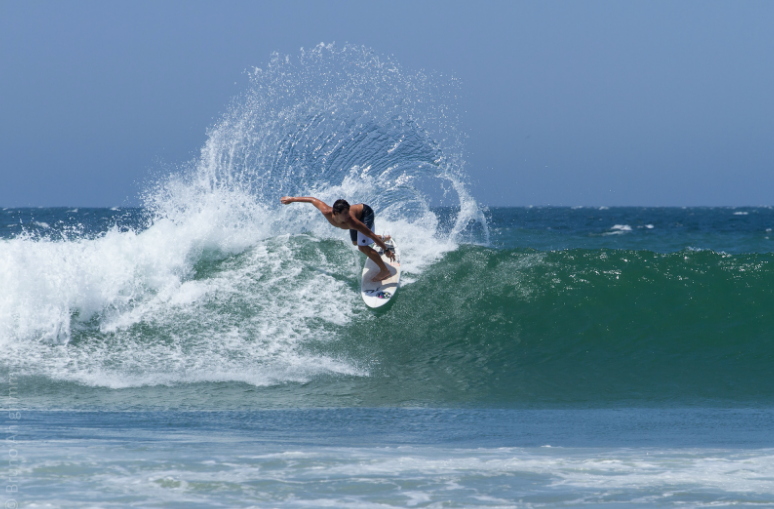
A surfer in Mancora, Peru, where HAZla por tu ola has protected important breakers through the Breakers Law from threats of unplanned development that could affect wave formation. Photo: Bruno Ahlgrimm, Flickr, CC BY 2.0 DEED.
In 2018, Chile became the first country to introduce legislation similar to Peru's law in Congress. With support of the Peruvian Society for Environmental Law, surfers and environmental activists in Chile have developed a bill that seeks to protect the breakers. This has already been approved by the Senate, and in September 2023 has advanced to the Chamber od Deputies for the second review required by the constitution.
In Panama, a bill has been promoted by Conggressman Juan DIego Vásquez, "that protects wave breaks suitable for sports practice and establishes the regime for the creation of wave sanctuaries in Panama". The bill, which was introduced in January 2022 and is now in the National Assembly's Population, Environment and Development Commitee before a second debate, aims to preserve waves suitable for surfing by indentifying, registering, protecting and preserving key breakers.
Although there is no similar project in New Zealand, the country also complies with a different model national law that seeks to identify "breaks of national importance" in order to protect them. New Zealand was the first country in the wold to adopt the protection of its surf breaks, which it identified directly in its legislation, thereby providing them with a national legal framework in the 2010 New Zealand COastal Policy Statement (NZCPS), which granted protection to 17 nationally significant breakers.
In this analysis section, the most important similarities and differences between these four cases of regulations established or proposed in Peru, Chile, Panama and New Zealand to explicitly and nationally protect breakers are addressed. The goal is to improve understanding of the advantages and disadvantages of each model, to inform efforts to legally protect breakers that are already progressing, as is the case in Ecuador, and will continue to do so in the future.
In this way, the analysis aims to illuminate the ideal components of a standard to protect breakers.
As the Chilean and Panamanian bills have not yet been approved and/or implemented, it is importan to note that this analysis is based on the most recent available versions of the bills' texts. However, these texts may change as the legislative process progresses. In addition, if approved and passed into law, these bills may be accompanied by the regulations that will sprecify their content and operation in practice. As there is no legal text proposed for Ecuador yet, because it is being created by activists and lawyers at this time, this country is not includede in the analysis, for the reasons already stated, only makes theoretical comparisons, for example between the concepts, and the texts of laws and draft laws to protect breakers; it cannot actually compare how they will work in practice.
SUMMARY OF THE 4 ANALYZED STANDARDS FOR BREAKER PROTECTION4.1. BREAKER RECOGNITION SYSTEMS
Lorem Ipsum es simplemente el texto de relleno de las imprentas y archivos de texto. Lorem Ipsum ha sido el texto de relleno estándar de las industrias desde el año 1500, cuando un impresor (N. del T. persona que se dedica a la imprenta) desconocido usó una galería de textos y los mezcló de tal manera que logró hacer un libro de textos especimen. No sólo sobrevivió 500 años, sino que tambien ingresó como texto de relleno en documentos electrónicos, quedando esencialmente igual al original. Fue popularizado en los 60s con la creación de las hojas "Letraset", las cuales contenian pasajes de Lorem Ipsum, y más recientemente con software de autoedición, como por ejemplo Aldus PageMaker, el cual incluye versiones de Lorem Ipsum.
4.2. DEFINITIONS OF BREAKERS
Lorem Ipsum es simplemente el texto de relleno de las imprentas y archivos de texto. Lorem Ipsum ha sido el texto de relleno estándar de las industrias desde el año 1500, cuando un impresor (N. del T. persona que se dedica a la imprenta) desconocido usó una galería de textos y los mezcló de tal manera que logró hacer un libro de textos especimen. No sólo sobrevivió 500 años, sino que tambien ingresó como texto de relleno en documentos electrónicos, quedando esencialmente igual al original. Fue popularizado en los 60s con la creación de las hojas "Letraset", las cuales contenian pasajes de Lorem Ipsum, y más recientemente con software de autoedición, como por ejemplo Aldus PageMaker, el cual incluye versiones de Lorem Ipsum.